Category
Content Marketing
Content marketing - tools and technologies
Today, content marketing increasingly depends on technology and tools - creating valuable content is only half the job; the other half is managing the whole process with IT solutions. In practice, content management systems tend to be the most important: WordPress and Drupal are still popular, while headless solutions like Strapi offer other implementation options. Which you choose may suggest the scale of the project and how the team will work.
Equally important is integration with analytics tools. GA4 or Facebook Pixel are the basics, and larger companies often turn to Adobe Analytics - although it's important to remember that tracking technology alone without good quality data won't show much. Automation, on the other hand, makes life easier: social media management platforms (Hootsuite, Buffer) allow you to schedule publications, and HubSpot or Mailchimp help with segmentation and personalization based on user behavior. However, an overabundance of tools can also complicate the process in the absence of a clear strategy.
For content creation, simple tools like Canva and more advanced ones like Adobe Creative Suite are useful, and for video or podcasting, such as Premiere Pro or Audacity. Infrastructure should not be forgotten: A CDN will speed up loading, backup systems and DDoS protection will increase confidence. In my experience, tools work well when accompanied by a well-thought-out plan and a minimum number of integrations. Here you will find practical guides on all these aspects of technological support for content marketing.
Articles 1 - 13 from 13 Posts

Social Media
Social Media vs website - How to effectively combine both channels for iznes development
20 Feb 202618 min

23 Jan 202620 min

SEO and Website Optimization
Website positioning step by step: strategy, technique and content in practice
21 Jan 202623 min

13 Jan 202620 min

Marketing on the Internet
Blog and news - trends in content marketing
29 Dec 202514 min
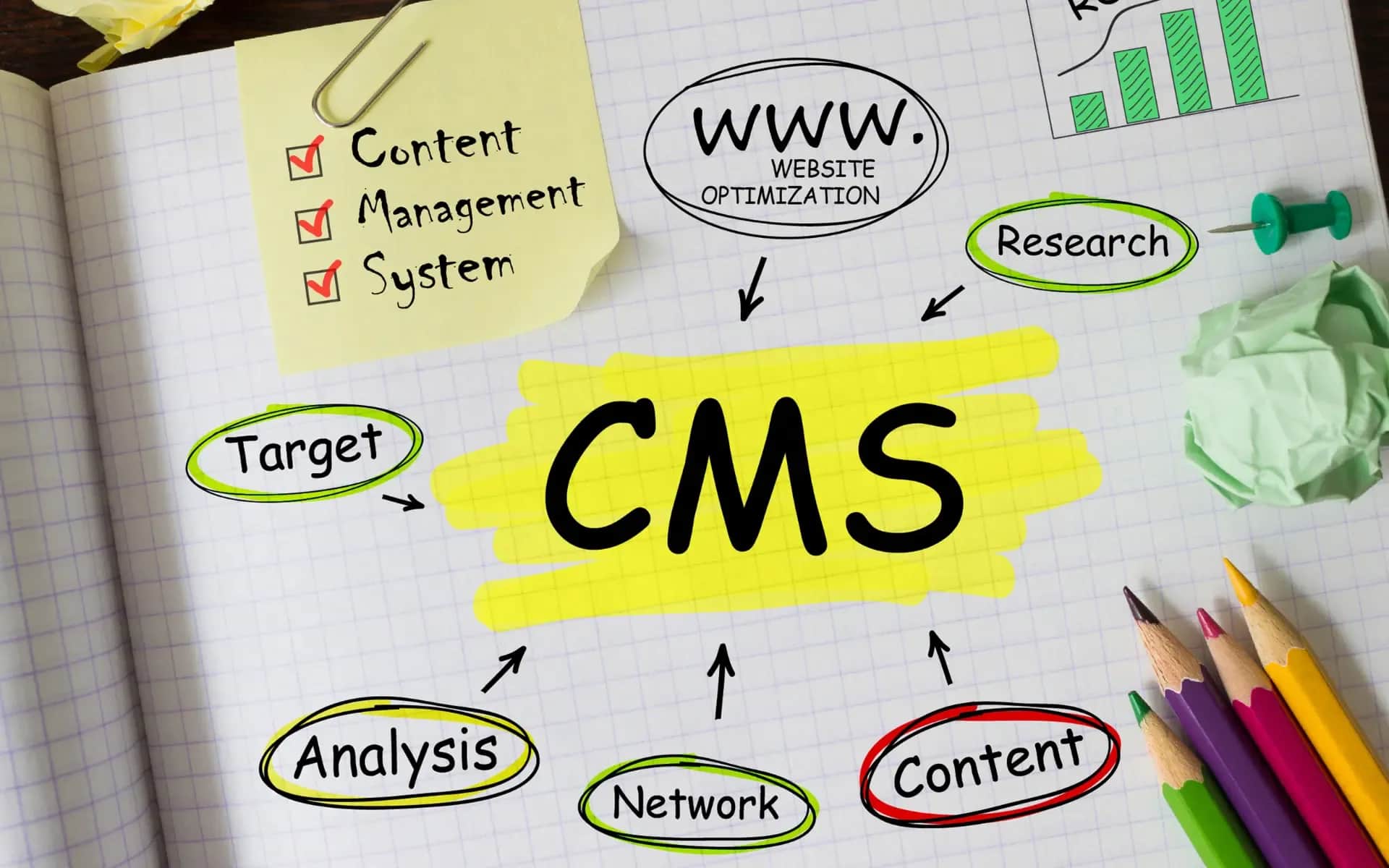
CMS - Content Management System
CMS without code - how to build a site and scale without programming
11 Dec 202523 min

Marketing on the Internet
How to create effective content and media for your business - a step-by-step strategy
23 Nov 202512 min

29 Oct 20256 min

1 Apr 202513 min

Software Development
Conquer a new market - Implementing e-commerce in your business
28 Jul 20243 min

11 Jul 20248 min

27 May 202410 min

Content Marketing
Beyond "Likes," Hidden risks of relying solely on social media to grow your business
2 Apr 202412 min