Category
Business tools
Business tools - CRM, ERP, automation
Modern business tools are increasingly making the difference between chaos and order in a company - at least it seems that way. Without meaningful software, it's hard to compete and scale operations, though of course not every "all-in-one" will be the golden mean for a small store or local service company.
CRM systems help embrace customer relationships: from automatic sending of invoices and payment reminders, to sales funnel management and contact history analysis. ERP, on the other hand, integrates key processes - accounting, inventory control or human resources support (such as recruitment and leave records). This can greatly simplify work, although integration can sometimes be more costly than expected.
Project management tools make it easier to coordinate teams, track progress and meet deadlines - virtually any manager will confirm that visible task boards make a difference. Process automation eliminates repetitive tasks and reduces errors, but it requires thoughtful setup.
Analytics turns data into actionable insights that can support strategic decisions; team communication - chat, video conferencing, file sharing - allows you to work remotely without much waste. The choice of tools depends on the industry, the size of the company and the budget - it's worth looking for scalable solutions and thinking well about integrations rather than implementing everything at once. Here you will find practical tips on implementation, configuration and optimization for SMEs.
Articles 1 - 6 from 6 Posts

Marketing on the Internet
QR Code and Short Link - how to use them in online marketing
20 Feb 202621 min
1 Jan 202616 min
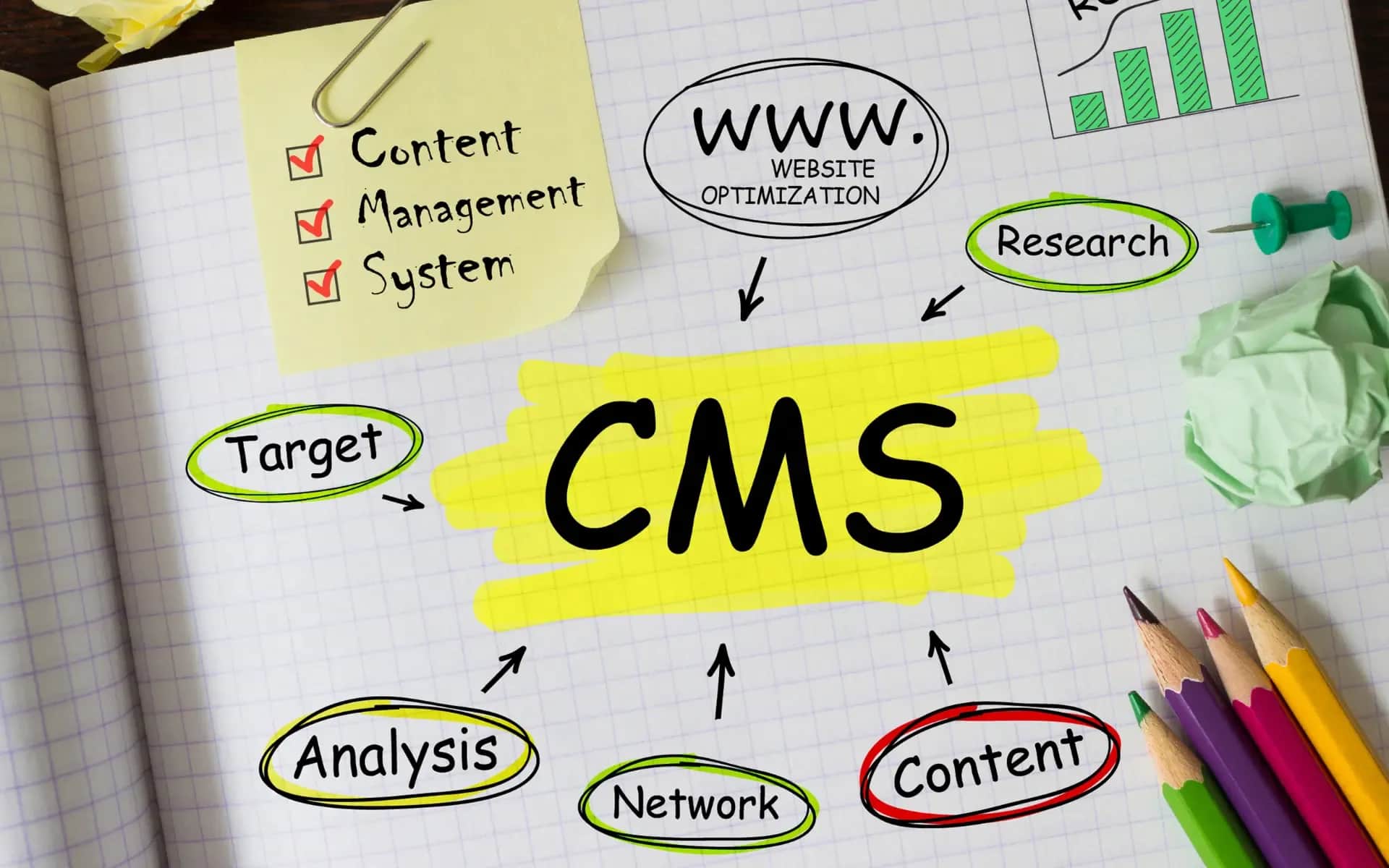
CMS - Content Management System
CMS without code - how to build a site and scale without programming
11 Dec 202523 min

16 Nov 202517 min

12 Mar 202510 min

7 May 20244 min