Category
Software & Tools
Best IT Tools for Small and Medium Businesses
In small and medium-sized companies, the right software can determine the success of the business. The choice of technological solutions influences work efficiency, data security and growth opportunities - although it is worth remembering that more expensive does not always mean better.
In this category you'll find practical advice on choosing and implementing CRM systems. We describe how to handle leads and contact history, which automations really save time, and which features are really useful for sales or service - this can make customer relationship management easier. We also suggest how to tailor ERP to the specifics of the industry - trade, manufacturing or services have different needs - and which office packages (word processing, spreadsheets, mail and file sharing) will work well on a daily basis. Real-life examples of implementations help assess whether a simple tool will suffice, or whether a more advanced system will be needed.
We will discuss accounting and invoicing software from a technical perspective: integrations with banks, automatic posting, recurring invoices, data backup or synchronization with an online store - these are especially important for online sales and higher transaction volumes. We will also look at business communication tools, remote working platforms and cloud solutions that can replace expensive infrastructure, although it seems that sometimes a local server still has its advantages.
Security is a priority with us, from business antivirus to backup systems and encryption to password managers. Each article includes specific recommendations, feature comparisons, and practical implementation tips; and we often advise you to test the solution on one department first, before deploying it company-wide.
Articles 1 - 6 from 6 Posts

Marketing on the Internet
QR Code and Short Link - how to use them in online marketing
20 Feb 202621 min

Social Media
Social Media vs website - How to effectively combine both channels for iznes development
20 Feb 202618 min

13 Jan 202620 min
Marketing on the Internet
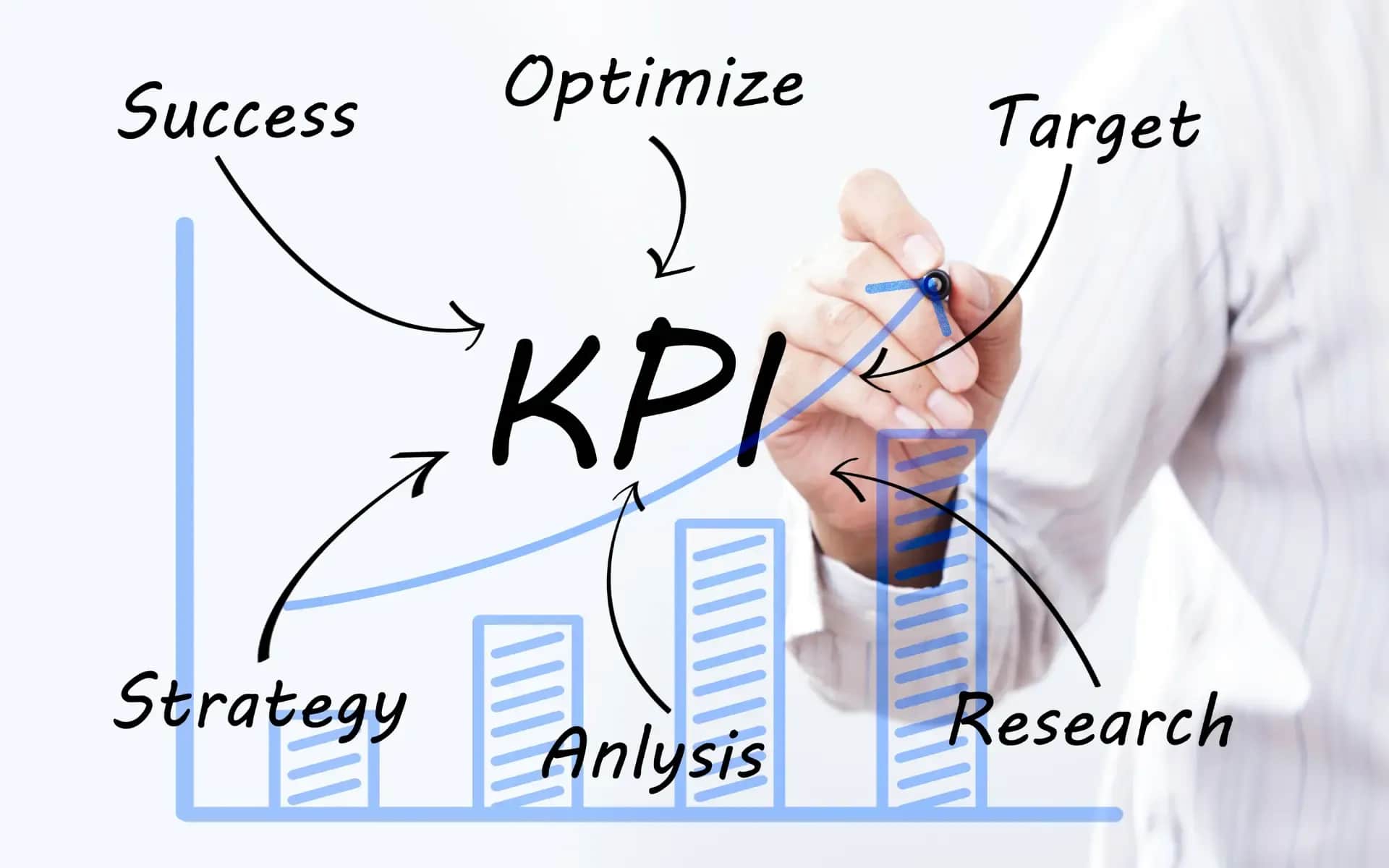
KPIs and goals for a website - How to measure success in online business [2026].
3 Dec 202513 min
11 Nov 202511 min

Project Management Tools
Why remote working doesn't work for your team - and how to remedy it!
17 Jul 202415 min